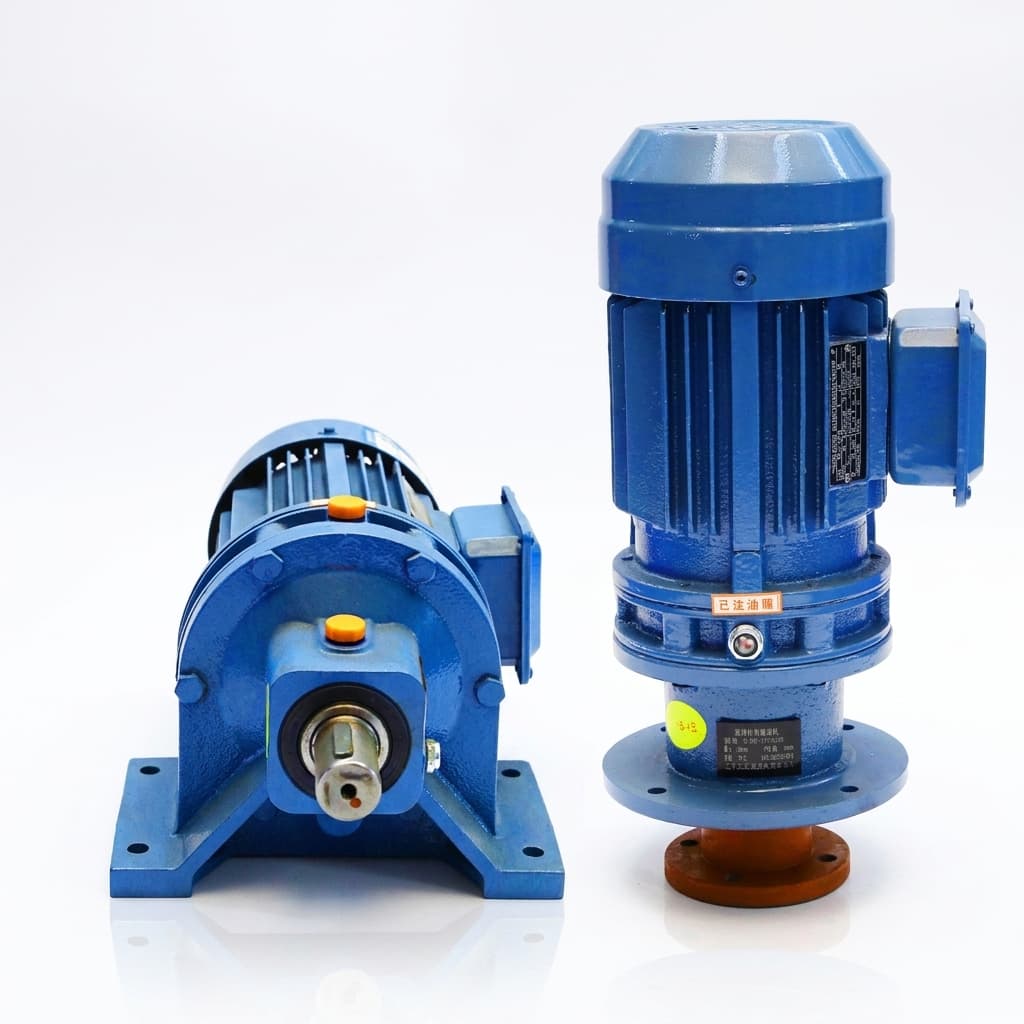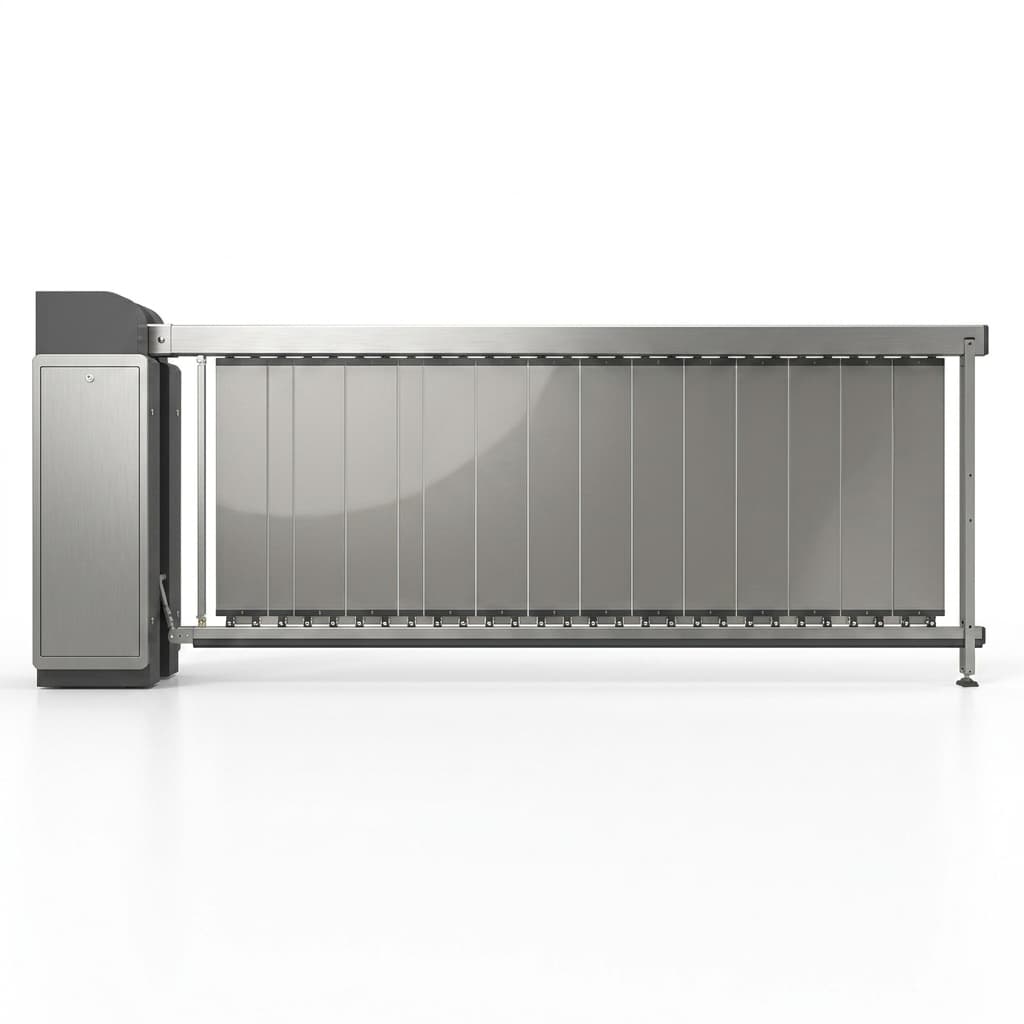
Walk into any hardware procurement meeting for a new parking barrier or smart access gate project, and someone will say: "We have to use Brushless DC (BLDC) motors. Brushed motors are dead technology."
As a factory engineer who builds tens of thousands of these drives every year, I can tell you that statement is a costly oversimplification.
[!NOTE] Executive Summary for Procurement Officers For access gates and parking barriers, Brushless DC (BLDC) planetary gear motors are mandatory for 24/7 high-cycle applications (like highway ETC tolls, > 10,000 cycles/day), offering 15,000+ hours of lifespan but requiring expensive 8-wire complex controllers. However, for residential and commercial parking lots (< 500 cycles/day), heavy-duty Brushed DC planetary gear motors are the superior ROI choice. Their carbon brushes will naturally last 10+ years at 500 cycles/day, while their simple 2-wire controllers are practically immune to lightning surges and cost 80% less. Both motor types MUST use hardened steel planetary gearboxes to survive vandalism and forced-arm impacts.
Yes, BLDC paired with a planetary gearbox is the gold standard for high-end toll booths. But if you are building an access gate for a residential complex with 100 cycles a day, over-speccing a BLDC motor will kill your product margin.
For projects standardizing on a 0.5 hp DC geared package, you can run a quick torque/current sanity check first with the 0.5 HP DC geared motor sizing tool and decision report. For teams building compact 1/10-scale drivetrains with mixed 12 mm and 1/2 in shaft hardware, use the 1/10 scale planetary gearbox and 1/2 shaft hybrid tool/report to screen ratio and interface risk. If your target is a 10 kg class platform and you need a tool-first decision path, use the 10 kg robot motors calculator and selection report to align motor architecture with duty-cycle risk. If you are evaluating a fixed 100 rpm brushed DC option for robotic mobility, run the 100rpm DC motor in robot fit checker and decision report to verify speed, traction, and startup-current margins before deciding between brushed and BLDC architectures.
Related decision workflows
Use these companion notes when the gate drive decision touches adjacent mobile or compact drivetrain work:
- How to Select Planetary Gear Ratio for AGV and Mobile Robot Drives for the speed, ratio, payload, and current workflow.
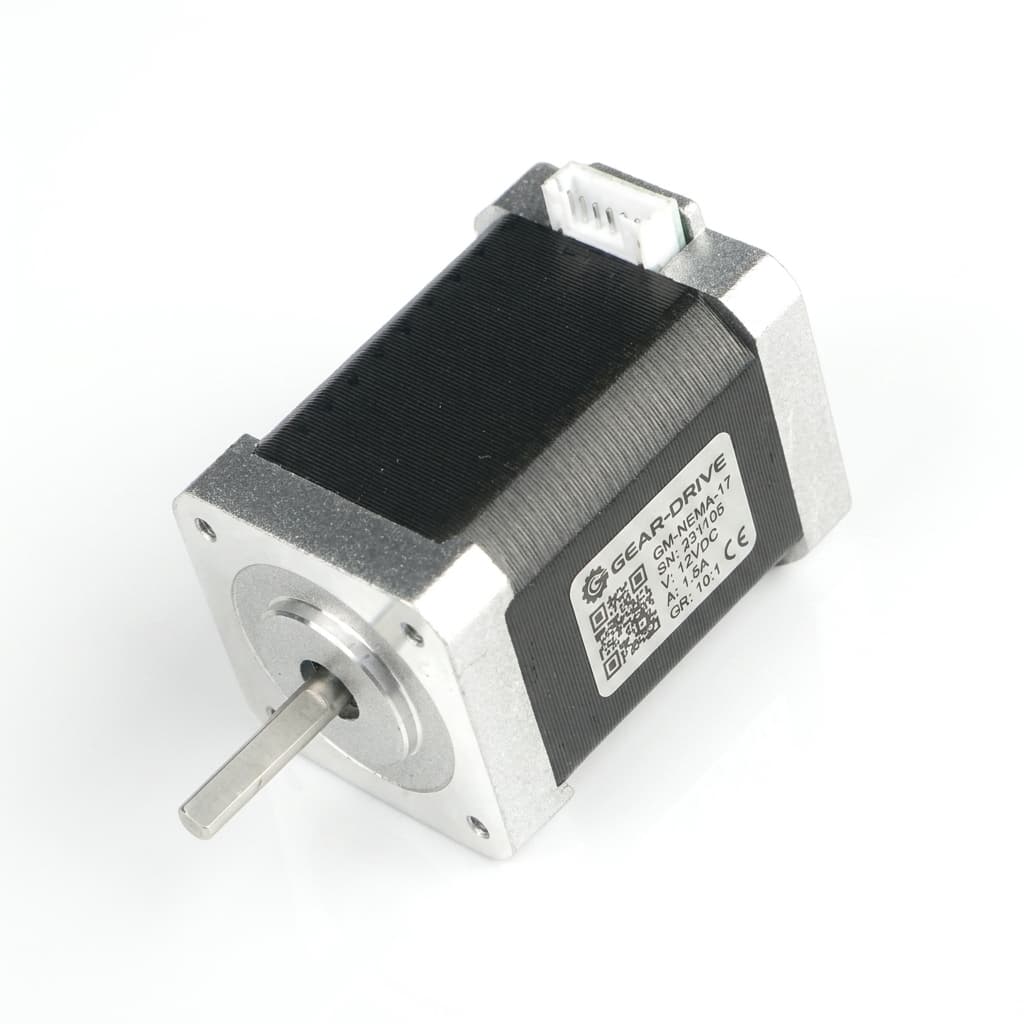
- Why Your NEMA Stepper Gear Motor is Losing Steps for reversing shock, resonance, and mechanical slip failure modes.
Here is the raw engineering breakdown of BLDC vs. Brushed DC planetary gear motors in access automation.
The Wear Factor: Carbon Brushes vs. Hall Sensors
The primary argument against Brushed DC motors is that the carbon brushes wear out.
<svg viewBox="0 0 800 250" xmlns="http://www.w3.org/2000/svg" className="w-full h-auto bg-slate-50 dark:bg-slate-900 rounded-xl border border-slate-200 dark:border-slate-800 p-4 my-8">
  <!-- Brushed Motor Section -->
  <g transform="translate(100, 50)">
    <rect x="0" y="0" width="200" height="150" rx="10" fill="none" stroke="currentColor" stroke-width="4" className="text-slate-700 dark:text-slate-300"/>
    <text x="100" y="-15" text-anchor="middle" className="text-lg font-bold fill-slate-800 dark:fill-slate-200">Brushed DC</text>

    <!-- Commutator -->
    <circle cx="100" cy="75" r="40" fill="none" stroke="currentColor" stroke-width="6" className="text-amber-500"/>
    <!-- Brushes -->
    <rect x="20" y="65" width="30" height="20" fill="currentColor" className="text-slate-800 dark:text-slate-400"/>
    <rect x="150" y="65" width="30" height="20" fill="currentColor" className="text-slate-800 dark:text-slate-400"/>

    <text x="100" y="130" text-anchor="middle" className="text-xs font-semibold fill-red-500">Physical Friction Point</text>
    <text x="100" y="145" text-anchor="middle" className="text-xs font-semibold fill-red-500">Lifespan: 3,000 - 5,000 hrs</text>
  </g>

  <!-- VS -->
  <text x="400" y="130" text-anchor="middle" className="text-2xl font-bold fill-slate-400">VS</text>

  <!-- BLDC Motor Section -->
  <g transform="translate(500, 50)">
    <rect x="0" y="0" width="200" height="150" rx="10" fill="none" stroke="currentColor" stroke-width="4" className="text-slate-700 dark:text-slate-300"/>
    <text x="100" y="-15" text-anchor="middle" className="text-lg font-bold fill-slate-800 dark:fill-slate-200">Brushless DC (BLDC)</text>

    <!-- Stator Coils -->
    <circle cx="100" cy="75" r="50" fill="none" stroke="currentColor" stroke-width="8" stroke-dasharray="20 10" className="text-emerald-500"/>
    <!-- Rotor -->
    <circle cx="100" cy="75" r="25" fill="currentColor" className="text-slate-700 dark:text-slate-300"/>

    <text x="100" y="130" text-anchor="middle" className="text-xs font-semibold fill-emerald-600 dark:fill-emerald-400">Electronic Commutation</text>
    <text x="100" y="145" text-anchor="middle" className="text-xs font-semibold fill-emerald-600 dark:fill-emerald-400">Lifespan: 15,000+ hrs</text>
  </g>
</svg>
Let's do the math on a typical parking barrier:
- A gate takes 3 seconds to open and 3 seconds to close (6 seconds of motor runtime per cycle).
- A busy residential gate does 500 cycles a day.
- That is 3,000 seconds (50 minutes) of motor run time per day.
A high-quality brushed DC motor will last roughly 3,000 continuous hours. At 50 minutes a day, the carbon brushes will last almost 10 years.
In 10 years, the gate arm will be smashed by a truck, the control board will be fried by lightning, or the sun will destroy the plastic housing long before the brushed motor dies. Why pay a 300% premium for a BLDC system if the mechanical limits of the gate itself cap the lifespan?
Where BLDC Actually Matters: Highway Toll Booths
If you are building a highway ETC (Electronic Toll Collection) barrier, the math flips.
- The barrier does 10,000 cycles a day.
- That is 16.6 hours of motor run time per day.
A brushed motor will burn out its brushes in less than 6 months. For this application, a BLDC planetary gear motor is absolutely mandatory.
The Controller Complexity Trap
A brushed DC motor requires exactly two wires. You reverse the polarity, it spins the other way. The control board is cheap, simple, and highly resistant to voltage spikes.
A BLDC motor requires an electronic controller to fire the phases in sequence. It needs 3 thick phase wires and 5 thin Hall sensor wires.
- If a mouse chews one thin Hall sensor wire, the gate is dead.
- If a nearby lightning strike induces a surge, the MOSFETs on the BLDC driver board can blow.
| Feature | Brushed DC + Planetary | BLDC + Planetary |
|---|---|---|
| Initial Cost | Very Low | High |
| Control Board Cost | < $10 | $30 - $60 |
| Wiring Complexity | 2 Wires (Foolproof) | 8 Wires (Vulnerable) |
| Starting Torque | Massive (Instantaneous) | Software Dependent |
| Lifespan | 3,000 - 5,000 Hours | 15,000+ Hours |
| Best Application | Residential gates, farm gates. | Highway tolls, high-security bollards. |
The Planetary Gearbox Equalizer
Whether you choose Brushed or Brushless, the motor is only half the equation. The gearbox is what handles the shock load when someone tries to manually force the barrier arm down.
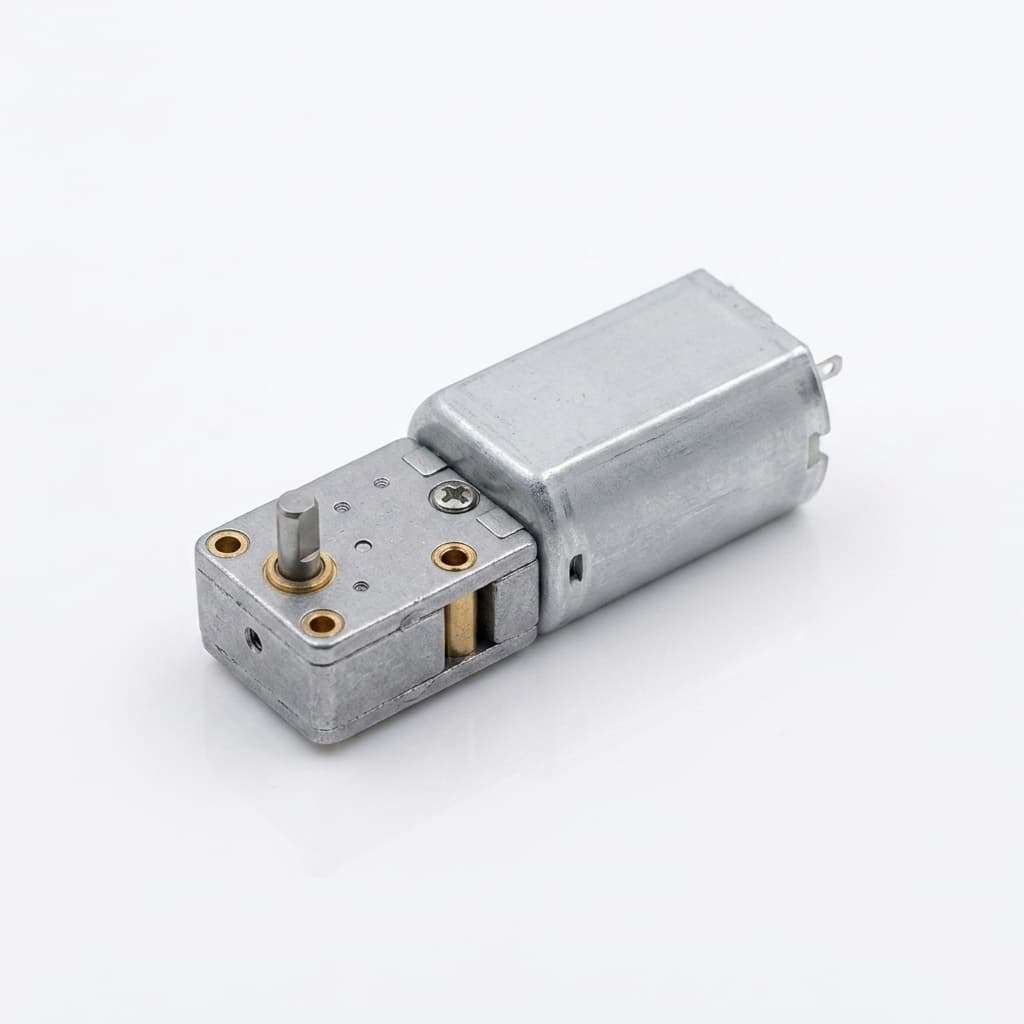
If you use a cheap worm gearbox, a forced arm will strip the brass worm wheel instantly. This is why high-end access gates have shifted exclusively to Planetary Gearboxes. The planetary design distributes the impact shock across 3 or 4 planet gears simultaneously.
If you want a truly bulletproof access gate:
- Use a planetary gearbox cut from hardened steel.
- Incorporate an adjustable slip-clutch on the output shaft. If a truck hits the barrier, the clutch slips before the planetary gears shear.
Final Verdict
Do not let marketing specs dictate your BOM cost.
- Build a residential or commercial lot gate? Use a heavy-duty Brushed DC motor with a steel planetary gearbox. You get instant starting torque, bulletproof wiring, and massive cost savings.
- Building a highway toll barrier or airport security gate? Invest in the BLDC planetary gear motor to survive the brutal 24/7 duty cycle.
Want to discuss the exact torque requirements and ratio for your barrier arm length?
- Email: [email protected]
- WhatsApp: +8618857971991
FAQ
Is BLDC always better than brushed DC for access gates?
No. BLDC is usually the right choice for high-cycle toll, airport, or security gates. Brushed DC can be the better ROI choice for residential or low-cycle commercial gates when the duty cycle is modest and the control system must stay simple.
What is the first red flag in a brushed gate motor proposal?
The red flag is a proposal that lists only voltage and output speed. Ask for cycle count, current draw during start, gearbox material, slip-clutch protection, and controller surge protection before approving the BOM.
When should the gearbox specification override motor type?
If the gate can be forced manually or hit by a vehicle, gearbox shock capacity matters as much as motor type. A steel planetary gearbox with an output protection method can prevent failures that a higher-end motor alone cannot solve.