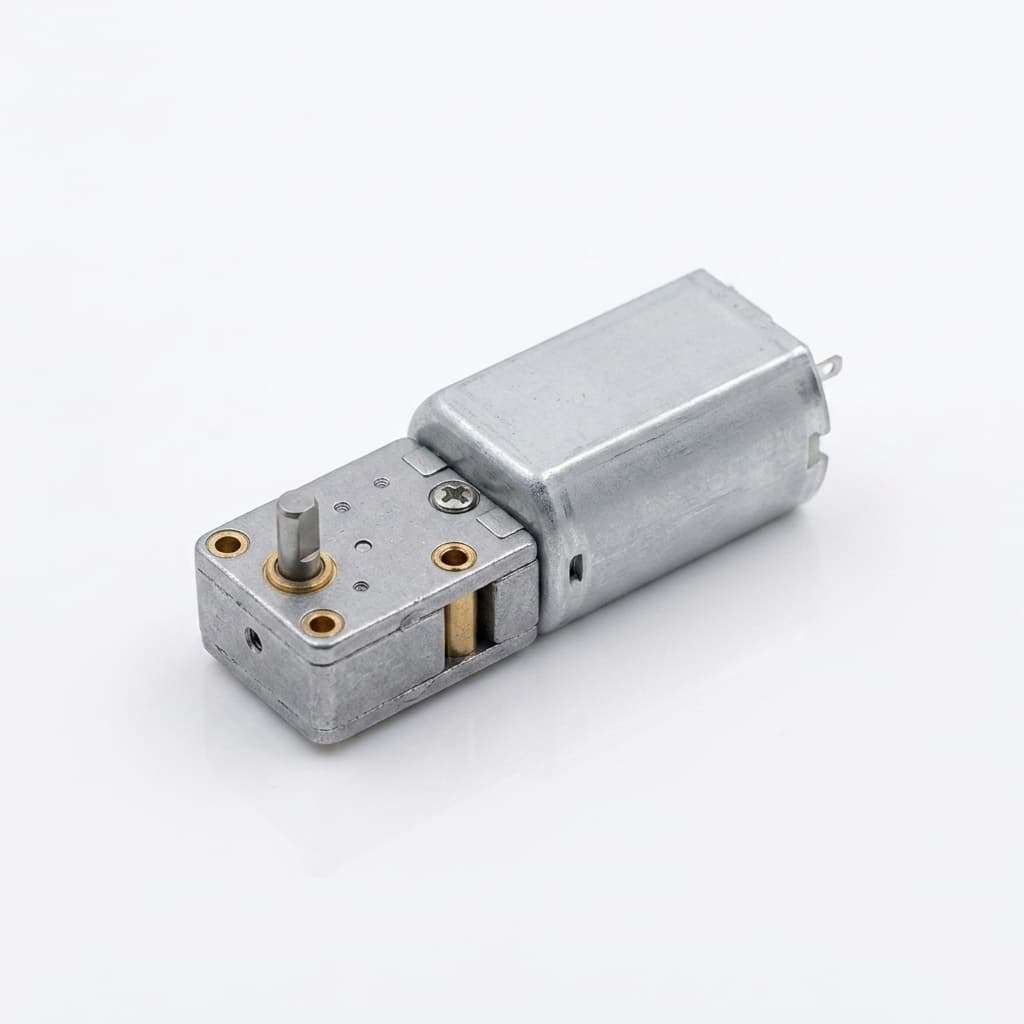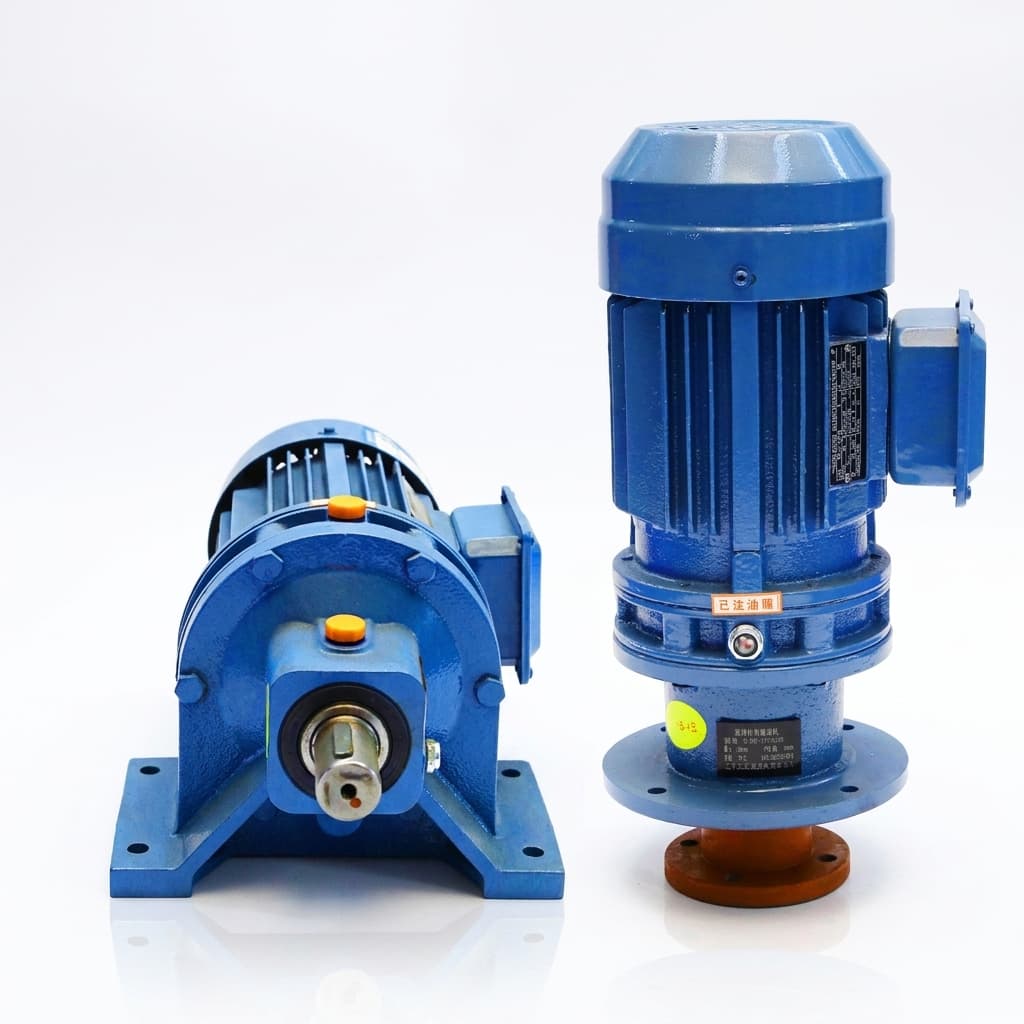
If you are buying planetary gear motors from China for AGV, robotics, medical, or automation projects, your biggest risk is not unit price. The real risk is unclear technical scope, weak supplier verification, and poor handoff from engineering to logistics.
This guide gives you an end-to-end workflow from first shortlist to shipment handoff.
Recommended deep-dive pages
Use these pages as operational playbooks:
- RFQ Template for Planetary Gear Motor OEM Projects
- Incoterms for OEM Motor Procurement: EXW vs FOB vs CIF vs DDP
- Incoming and Pre-shipment QC Checklist for Gear Motor Orders
Quick summary for procurement teams
- Define target torque, speed, duty cycle, lifetime, and compliance before RFQ.
- Verify supplier capability with process evidence, not only certificates.
- Run sample validation against measurable pass/fail criteria.
- Lock QC gates before mass production starts.
- Align Incoterms and shipping ownership early to avoid cost and delay disputes.
0) 12-week sourcing execution plan (example)
Use this as a baseline timeline for first cooperation projects.
| Week | Buyer action | Supplier output | Go/No-go checkpoint |
|---|---|---|---|
| 1-2 | Freeze RFQ package and shortlist 3 suppliers | RFQ response, capability files | Incomplete RFQ response gets eliminated |
| 3-4 | Technical clarification and quote normalization | Revised quote + assumptions | Quotes must be comparable on same scope |
| 5-6 | Prototype order and test-plan lock | Sample plan + test methods | Test method mismatch must be resolved before build |
| 7-8 | Sample validation | Raw test data + summary report | Any critical fail blocks pilot release |
| 9-10 | Pilot lot planning and QC gate review | Pilot process plan | No process control evidence means no pilot |
| 11-12 | Shipment handoff readiness | Packaging photos + shipping docs | Label/doc mismatch blocks shipment |
If your launch window is tight, keep at least one week contingency between sample validation and pilot approval.
0.1) Supplier scorecard with weighted scoring
Many teams compare only unit price and lead time. That creates hidden risk.
Use a weighted scorecard and run the same rubric for all candidates.
| Criterion | Weight | Scoring rule |
|---|---|---|
| Technical fit to spec | 30% | 0-10 based on requirement coverage and deviation count |
| Process and QC maturity | 20% | 0-10 based on documented controls and traceability |
| Sample response speed and quality | 15% | 0-10 based on cycle time and data completeness |
| Commercial competitiveness | 15% | 0-10 based on normalized landed-cost proposal |
| Customization support | 10% | 0-10 based on DFM response and change flexibility |
| Export and communication reliability | 10% | 0-10 based on handoff quality and response SLA |
Practical knockout rules
- Missing raw sample data on critical tests: disqualify.
- Unclear revision control ownership: disqualify.
- Quote assumptions not aligned after two clarification rounds: disqualify.
1) Define sourcing scope before contacting suppliers
Start from application conditions, not from catalog model names.
Minimum inputs for industrial gear motor sourcing:
- Application scenario: AGV traction, robotic joint, pump, conveyor, dispensing system, etc.
- Mechanical envelope: max diameter, length, shaft type, mounting pattern.
- Electrical constraints: voltage, current limit, controller interface.
- Performance targets: continuous torque, peak torque, rated speed, backlash, noise.
- Environmental needs: temperature range, IP rating, vibration profile.
- Commercial constraints: annual volume, launch date, target cost band.
Without these inputs, quotations are not comparable and supplier selection becomes guesswork.
2) Supplier screening: what to verify before RFQ comparison
Shortlist suppliers only after you verify process maturity and export execution.
Screening checklist
- Supplier can show in-house gearbox machining and assembly controls.
- Supplier provides process-level QC plan (incoming, in-process, final inspection).
- Supplier can share sample test reports tied to real part numbers.
- Supplier has documented export packaging and shipment protection practice.
- Supplier confirms RFQ response lead time and engineering support SLA.
- Supplier supports OEM customization (gear ratio, shaft, connector, harness, mounting).
Useful internal links while screening:
- Planetary gear motor product overview
- Application scenarios (AGV, robotics, medical, automation)
- OEM customization capabilities
3) RFQ package: avoid incomplete quote loops
Most delays happen because the buyer sends partial requirements. Use a standard RFQ package.
RFQ document pack
- Technical specification sheet (performance, dimensions, interface).
- 2D/3D drawing package with revision control.
- Quality expectations and sampling standard.
- Forecast and MOQ assumptions.
- Commercial terms: payment milestone, Incoterm, destination, target lead time.
Supplier comparison table
| Evaluation item | Supplier A | Supplier B | Supplier C |
|---|---|---|---|
| Technical fit to spec | |||
| Sampling lead time | |||
| Process transparency | |||
| QC documentation quality | |||
| OEM customization flexibility | |||
| Export packaging maturity | |||
| Total landed cost confidence |
4) Sample validation: move from “works” to “verified”
Do not approve a supplier based on a single bench run. Validate against your operating profile.
Sample validation matrix
| Test item | Method | Pass criterion |
|---|---|---|
| No-load speed consistency | Controlled voltage bench test | Within agreed tolerance band |
| Rated torque stability | Load dyno test | Continuous output without thermal runaway |
| Backlash | Fixture + dial gauge | Meets specified backlash range |
| Temperature rise | Rated load endurance test | Within max winding/case limits |
| Noise & vibration | Fixed setup acoustic/vibration test | Within project limits |
| Connector/harness robustness | Insert/pull + vibration cycle | No intermittent contact |
Request raw test logs when possible, not only pass/fail statements.
5) Production quality control: define gates before PO release
Lock the QC framework before mass production to prevent late-stage surprises.
Recommended QC gates
| Phase | Key control point | Buyer action |
|---|---|---|
| Pre-production | Drawing and BOM freeze | Approve rev-controlled files |
| Incoming inspection | Gear, shaft, bearing critical dimensions | Align AQL and key dimensions list |
| In-process | Assembly torque, gear mesh checks, lubrication consistency | Review process checkpoints |
| Final inspection | Electrical/mechanical performance sampling | Confirm release criteria |
| Pre-shipment | Labeling, packaging, drop protection | Approve shipment photos/report |
6) Lead time planning and Incoterms alignment
Lead time is not only “production days.” It includes engineering clarification, sampling, corrections, and logistics queue time.
Incoterms trade-off snapshot
| Incoterm | Supplier responsibility | Buyer responsibility | Typical use case |
|---|---|---|---|
| EXW | Factory handoff only | Full pickup/export/import control | Buyer has strong forwarder capability in China |
| FOB | Export clearance + loading | Main freight + import | Common for experienced B2B importers |
| CIF | Freight + insurance to destination port | Import clearance + inland delivery | Buyers optimizing fewer handoff points |
| DDP | End-to-end delivery | Minimal logistics execution | Buyers prioritizing convenience over maximum control |
Align Incoterm before final price confirmation. Many “price gaps” are logistics scope gaps.
7) Shipping handoff and document control
Before shipment, verify these documents and shipment markers:
- Commercial invoice and packing list consistency.
- Part number and revision consistency across carton labels and invoice.
- Carton and pallet protection evidence (photos/videos).
- Agreed shipment split and tracking handoff.
- Contact ownership during in-transit exception handling.
8) Buyer KPI dashboard for first two purchase orders
Set baseline KPIs before first PO so both teams know what "good" means.
| KPI | Suggested starting target | Why it matters |
|---|---|---|
| RFQ first response cycle time | <= 72 hours | Shows supplier communication discipline |
| Sample first-pass approval rate | >= 85% | Indicates technical understanding quality |
| Pilot lot on-time delivery | >= 95% | Reduces project schedule risk |
| Incoming major-defect rate | <= 1.0% | Protects production continuity |
| Document mismatch incidents per shipment | 0 | Prevents receiving and customs delays |
Treat these values as starting benchmarks and tune by product complexity and risk profile.
9) Copy-paste RFQ kickoff email template
Use this format to avoid vague first contacts:
Subject: RFQ – Planetary Gear Motor for [Application]

Hello [Supplier Team],

We are evaluating suppliers for a planetary gear motor OEM project.
Please quote based on attached RFQ package and confirm:
1) Technical deviations, if any
2) Sample lead time
3) Pilot and mass-production lead time
4) Preferred Incoterm options (FOB + DDP)
5) Required clarification list within 48 hours

Regards,
[Name / Company / Role]
Red flags that usually cause project failure
- Supplier only discusses unit price, avoids process/QC questions.
- Samples pass once but no repeatability data is available.
- No clear owner for drawing revision and engineering change control.
- Incoterm is undefined until after production starts.
- Lead time excludes rework loops and export queue uncertainty.
- Communication depends on a single salesperson with no engineering bridge.
If you detect two or more red flags, slow down and re-qualify before PO.
FAQ
How many suppliers should we quote in parallel?
For most OEM projects, 3 qualified suppliers is enough for meaningful comparison without creating evaluation overhead.
Should we prioritize lowest unit price?
No. Prioritize total landed cost confidence, process reliability, and delivery predictability. Lowest quote can be highest risk.
When should we start discussing customization?
At RFQ stage. If customization starts after sample approval, timeline and tooling risk increase significantly.
What is the fastest path from research to RFQ?
Prepare a complete RFQ package, shortlist by capability evidence, and run one structured sample cycle with measurable pass criteria.
Start your inquiry
Visible contact channels:
- Email: [email protected]
- WhatsApp: +8618857971991
Action links:
- Copy email manually: [email protected]
- Open email app
- Start inquiry with prefilled RFQ template
- Chat on WhatsApp
Need the commercial handoff page too? Continue from this guide to Contact / RFQ.