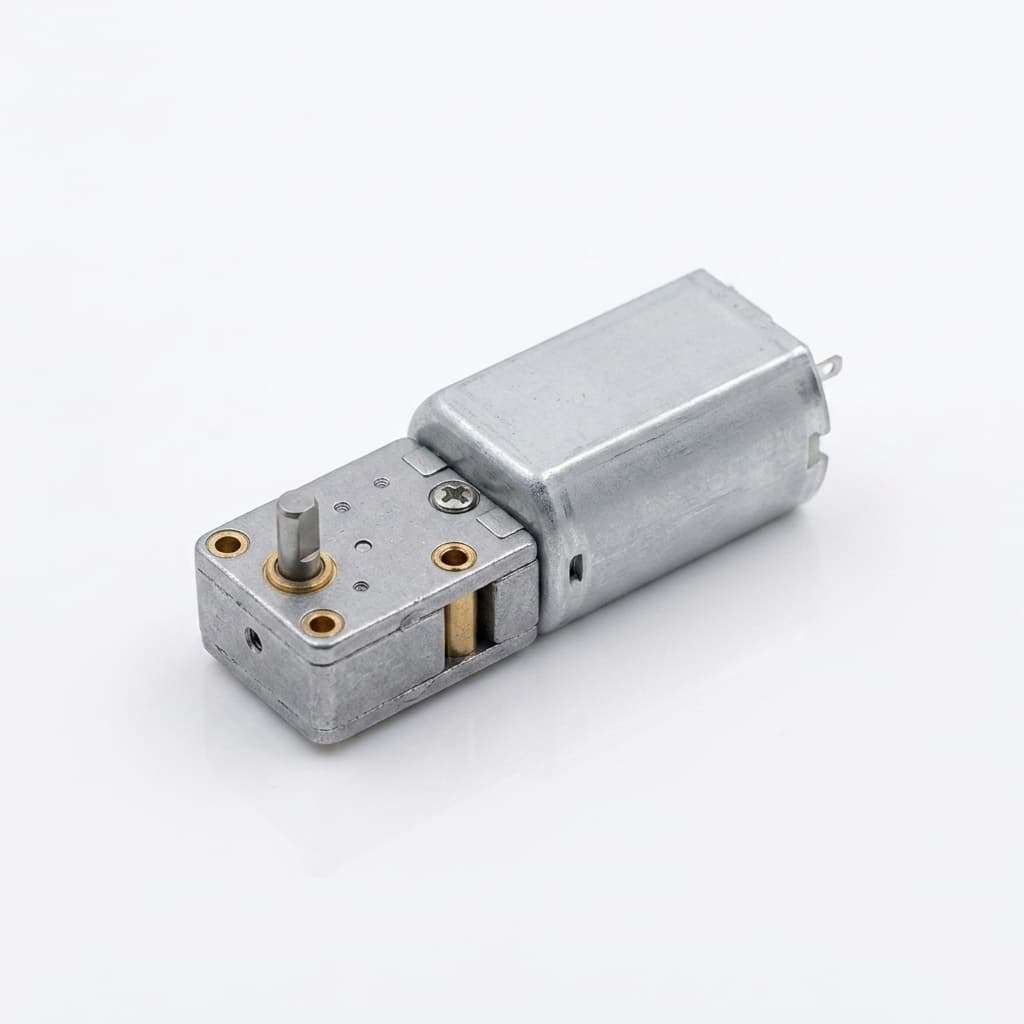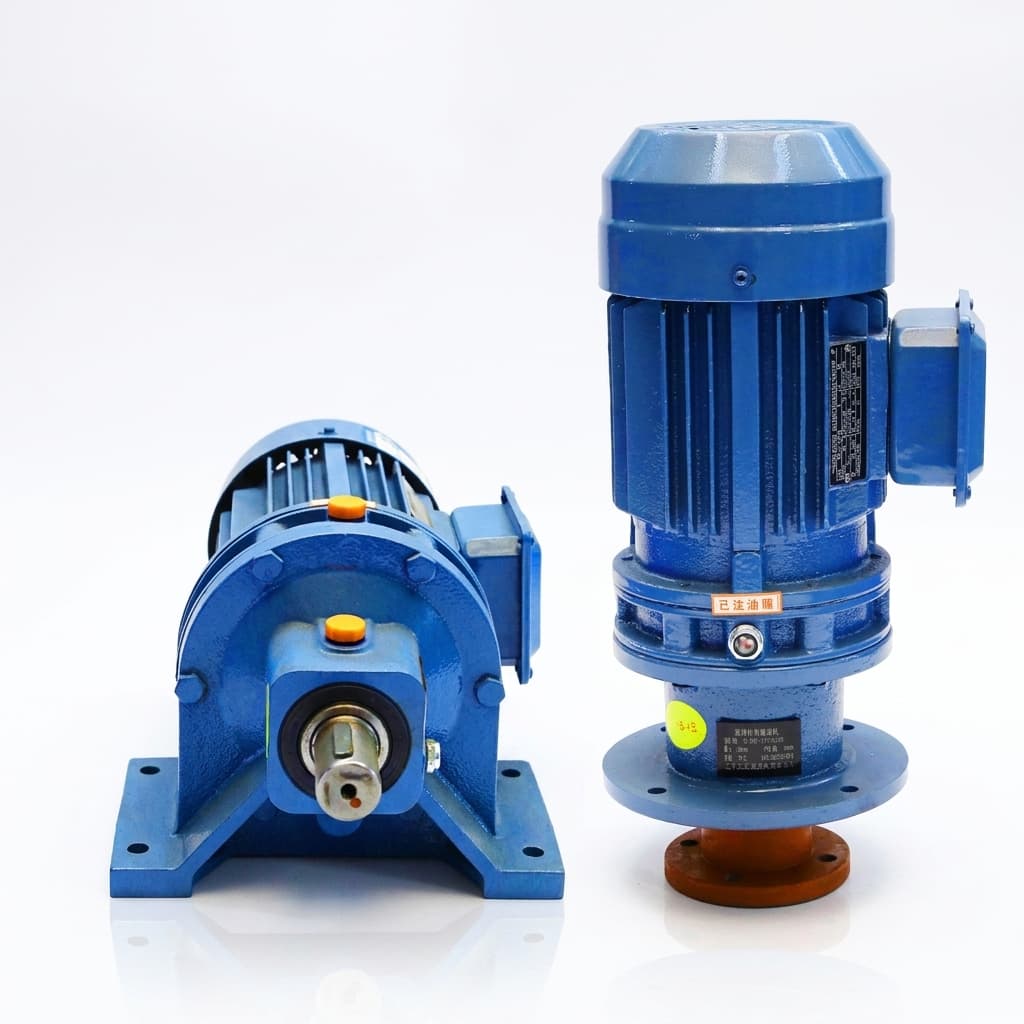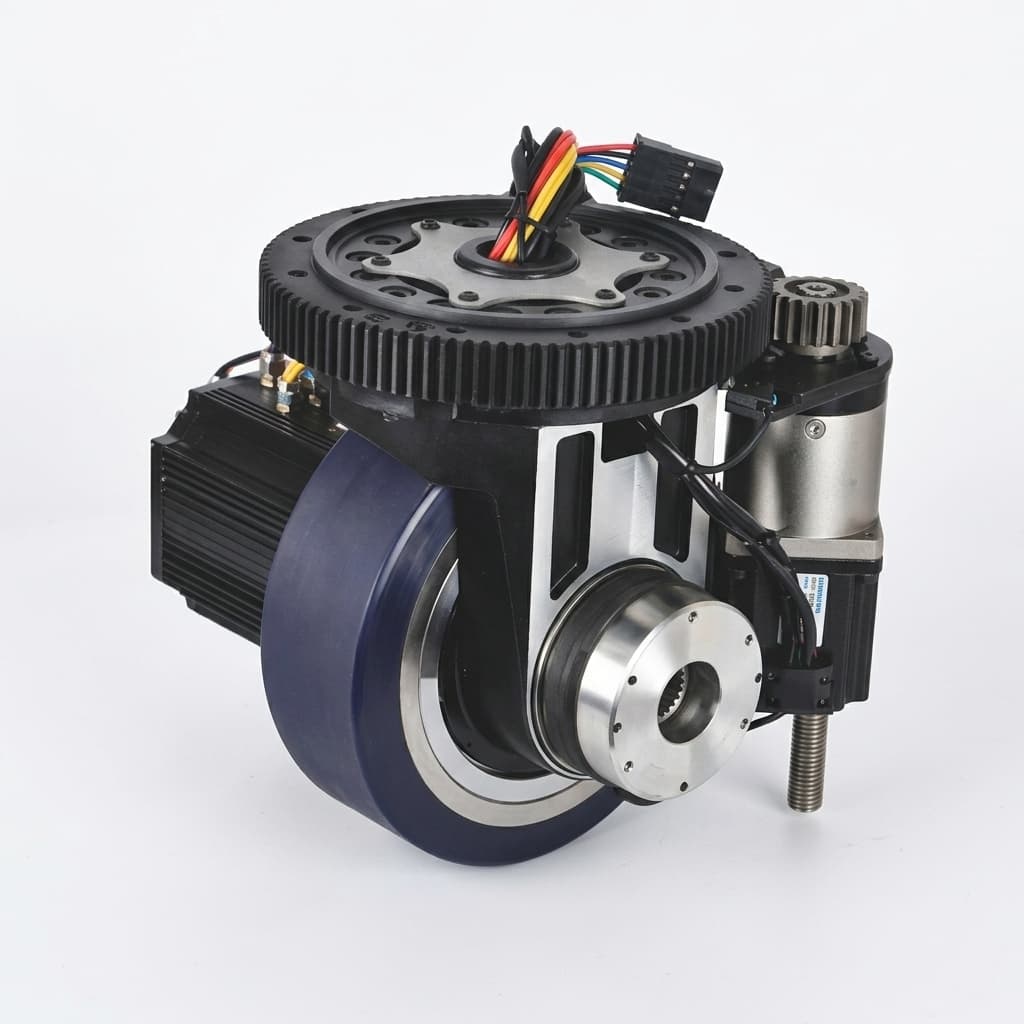
Planetary gear motor sourcing is no longer only a component-price exercise. Historically, OEM procurement teams sourced planetary gear motors as isolated mechanical components—selecting a motor, a gearbox, and an encoder from separate catalogs based strictly on rated torque, backlash, and piece-part price.
As of July 19, 2026, this guide is scoped to global OEM procurement and engineering teams sourcing low-voltage BLDC or stepper planetary gear motors for AGVs, AMRs, cobots, smart access systems, and compact automation. It does not cover certified ATEX drives, high-temperature servo gearheads, or safety-rated motion controllers.
During 2026 procurement cycles, the demand for intelligent, sensor-enabled machinery, particularly in mobile robotics, has accelerated a transition from standalone mechanical drives to integrated "smart" drive systems. Consequently, OEMs are no longer just buying hardware; they are seeking "Solution Providers" capable of delivering a pre-validated package of motor, transmission, drive electronics, feedback devices, and communication protocols.
This guide explores the engineering and procurement implications of sourcing integrated smart planetary gear motors, helping purchasing teams calculate Total Cost of Ownership (TCO), audit new supplier capabilities, and navigate this value chain shift safely.
If you are currently evaluating suppliers for an integrated drive project and need to verify technical feasibility, send your system requirements to our engineering team for a rapid assessment.
The Shift to the "Solution Provider" Model
In traditional procurement, the risk of system integration falls entirely on the OEM. If the chosen planetary gearbox experiences excessive thermal buildup because it is mismatched with the third-party stepper motor's torque curve, the OEM bears the engineering delay.
A "Solution Provider" model changes this dynamic. By bundling the planetary gear motor with an integrated controller and embedded or inferred feedback signals (such as temperature, current, vibration, and absolute position), the supplier should accept documented responsibility for the subsystem's overall performance.
Key Drivers of this Transition:
- Space Constraints: Modern AGVs and cobots require hyper-compact joints where external wiring and separate driver cabinets are no longer viable.
- Predictive Maintenance (IoT): End-users demand real-time telemetry (current draw, thermal spikes) to predict planetary gear wear before catastrophic failure.
- Supply Chain Consolidation: Managing one SKU from a single vendor is more resilient than managing three SKUs from three different global suppliers, especially amid raw material volatility.
Standalone Components vs. Integrated Smart Drives: TCO Comparison
At first glance, integrated smart planetary gear motors carry a higher unit cost. However, procurement teams must evaluate the Total Cost of Ownership.
| Cost / Effort Dimension | Traditional Standalone Sourcing (Motor + Gearbox + Driver) | Integrated Smart Drive Sourcing (Solution Provider) |
|---|---|---|
| Initial Unit BOM Cost | Lower (Commoditized pricing for separate parts) | Higher (Premium for integration and miniaturization) |
| Engineering Validation Time | High (OEM must tune PID loops and match thermal limits) | Low (Pre-tuned and validated by the supplier) |
| Cabling and Connectors Cost | High (Requires external shielded cables between motor and drive) | Minimal (Internal routing; only power and comms required) |
| Assembly Labor & Time | High (Multiple mounting points, complex wiring harnesses) | Low (Drop-in modular installation) |
| Vendor Finger-Pointing Risk | High (Gearbox vendor blames motor vendor; motor blames driver) | Low (Single point of accountability for system-level failure analysis) |
| Inventory Carrying Cost | Moderate (Must manage multiple SKUs and safety stocks) | Low (Single SKU management) |
Visualizing the Integrated Architecture
Unlike traditional setups, smart gear motors can close part of the feedback loop internally. Sensor coverage is model-dependent: verify which signals are measured locally, which are inferred from current or encoder data, and which are exposed over the bus.
Sourcing & Supplier Audit Checklist
Transitioning to a solution provider requires a different auditing approach. You are no longer just measuring runout and backlash; you are evaluating software reliability and electronics manufacturing quality.
Use this checklist before finalizing a supplier for integrated smart gear motors:
- PCBA Protection: Are the integrated electronics conformally coated or potted? This is critical since the gearbox will conduct heat directly to the drive board.
- Thermal Derating Transparency: Does the supplier provide a combined thermal derating curve? (The heat generated by the motor reduces the allowable load on the integrated electronics).
- Firmware Update Mechanism: How is firmware flashed in the field? Ensure there is a robust, fail-safe bootloader to prevent bricking the motors during field updates.
- Communication Protocols: Does the unit natively support your required industrial bus (e.g., EtherCAT, CANopen, Modbus RTU) without external gateway modules?
- Vibration Tolerance: Can the integrated PCBA withstand the high-frequency vibrations transmitted through the planetary gear stages during hard stops or reversing?
- Supply Chain Traceability: Since the unit relies on semiconductor chips, does the supplier have a strategy to mitigate chip shortages and obsolescence?
If your RFQ already defines voltage, peak torque, wheel load, communication bus, and duty cycle, use this checklist alongside our planetary gear motor RFQ template before requesting prototype pricing.
When NOT to Use Integrated Smart Motors
While the trend is clearly moving toward integration, there are distinct boundaries where traditional standalone components remain superior:
- Extreme High-Temperature Environments: If the ambient temperature exceeds 85°C (185°F), integrated electronics will likely fail. It is better to keep the motor in the hot zone and route cables to a driver in a cooled cabinet.
- Highly Explosive Atmospheres (ATEX): Certifying an integrated device with complex electronics for explosive environments is exponentially more difficult than certifying a simple mechanical motor.
- Ultra-Budget Applications: For simple, low-duty-cycle conveyors where predictive maintenance offers no ROI, the premium for smart motors is unjustified.
FAQ
Q1: Will sourcing an integrated smart gear motor lock us into a single vendor? Vendor lock-in is a legitimate risk. To mitigate this, ensure the supplier uses standard communication protocols (like standard CANopen CiA 402 profiles) rather than proprietary communication stacks. This makes it easier to write software abstraction layers that can communicate with alternative brands if a swap is necessary.
Q2: How does the lead time compare between integrated units and standard gear motors? Integrated units often have slightly longer initial lead times due to PCBA sourcing and firmware flashing. However, once a blanket order is established, managing a single SKU actually reduces the risk of overall assembly line delays compared to waiting on three separate component shipments.
Q3: Can a smart gear motor predict its own mechanical failure? Yes. High-end solution providers integrate algorithms that monitor torque ripple and current spikes over time. A sudden increase in current draw to maintain the same RPM is a strong indicator of planetary gear wear or bearing degradation, allowing for scheduled maintenance before failure.
Taking the Next Step
Procuring integrated smart planetary gear motors requires an engineering-led sourcing strategy. As the market transitions, evaluating the TCO and vendor integration capabilities will determine your product's competitiveness and reliability.
Ready to specify a smart drive for your next mobile robot or automation project? Contact our engineering team to review your load requirements, communication protocols, and operational environment for a tailored solution.
Before requesting prototype pricing, align the drive package with the AGV planetary gear ratio selection guide. For a direct integrated-drive review, email [email protected] or WhatsApp +8618857971991 with voltage, peak torque, continuous torque, bus protocol, encoder needs, and duty cycle.
Sources & References
- Analog Devices, Solution Brief for Condition-Based Monitoring, accessed July 19, 2026. Used for vibration, current, and temperature as condition-monitoring signals.
- CAN in Automation, CiA 402: CANopen device profile for drives and motion control, accessed July 19, 2026. Used for standard drive-profile and interoperability guidance.
- Nidec Motion Control, AGV Kits | Motor/Gearbox/Wheels with Matching Drive, accessed July 19, 2026. Used as an example of integrated motor/gearbox/wheel packages with pre-configured controllers.